|
Some reflections on the 2005 National Conference on Keyboard Pedagogy (NCKP)The third biennial National Conference on Keyboard Pedagogy (NCKP) was held August 4-6, 2005 at the Doubletree Chicago/Oak Brook Hotel. Under the sponsorship of the Frances Clark Center for Keyboard Pedagogy, the Conference was attended by close to 800 pianists and teachers from throughout the United States, as well as from a number of European countries and Australia. The Keynote AddressSurely one of the highlights of the Conference was the opening address given by keynote speaker Karl T. Bruhn, who is recognized worldwide as the "father of music-making and wellness." His address was entitled "Music-Making and Wellness: An Idea Whose Time Has Come." Here is just some of the information which Karl included in his presentation. |
Rhythm Dept: Pianist Evan Hirsch provides audio clips of practice steps and a complete performance of the Chopin Prelude in Em. Perspectives in Pedagogy Dept: Paul Romero and Ann Herlong, winners of the Van Cliburn Amateurs' Competition, share their performances and arrangements. Music Reading Dept: Meg Gray and LeAnn Halvorson provide more photos of how they help their students practice sight-reading. |
|||||||||||||||||||||||||||||||||||||||||||||||||||||||||||||||||||||||||||||||||||||||||||
|
Recreational Music Making (RMM) - what it is, and what it is notRMM is the participation in enjoyable, accessible, and fulfilling GROUP music-based activities. But it is not just the "same-old, same-old." Its benefits extend far beyond just learning to make music. RMM programs are not intended to diminish the importance of formal music education, and therefore will not compete with, or replace traditional music education. The RMM philosophy is NOT about inspiring extraordinary music-making. It's about inspiring extraordinary living. It's NOT about exceptional performance. It's about exceptional support and personal experience. It's NOT about teaching people to play. It's about giving people permission to play. Its best facilitators are NOT just talented musicians, they are caring, compassionate and intuitive guides. RMM programs are ideal for adults who don't consider themselves musical, think they have no talent or have a non-musical background. The fastest growing segment of our population is made up of people who are 50 or more and most likely a lot of them missed the opportunity to learn to play when they were younger. Also, those who are retired may just be looking for an opportunity to get involved in something like a RMM program. RMM and the human genomeA recent groundbreaking research project whose principal investigator was Barry Bittman, M.D. of the Mind-Body Wellness Center in Meadville, PA, has shown for the first time that playing a musical instrument can reverse multiple components of the human stress response on the genomic level. According to Mr. Bruhn, this is an "unparalleled FIRST for the global music community ... the most important medical research discovery in the history of music-making" ... and "the most significant strategic breakthrough in our understanding of the health benefits of music-making." When Dr. Bittman recently did an interview for an important scientific publication: he said, "The specificity of our protocol must be taken into consideration. The Clavinova Connection (the recreational music making program used in this study) was carefully designed to progressively condition a sense of success from the start. Our goal was to inspire far more than just creative non-verbal expression and communication. We wanted each participant to immediately sense a great deal of personal success, and feel supported by the group. We deliberately deemphasized technology, yet focused on the use of technology in the background as an enabler of creativity. Our findings must be considered within this context and should not be generalized. I do not support the notion that playing a musical instrument under all circumstances reduces stress. In fact, the quest for high levels of mastery and performance may be stress-inducing." Some recommendationsMr. Bruhn concluded his address by offering a few recommendations: Recommendation #1: Reduce dropouts. Acknowledge that the
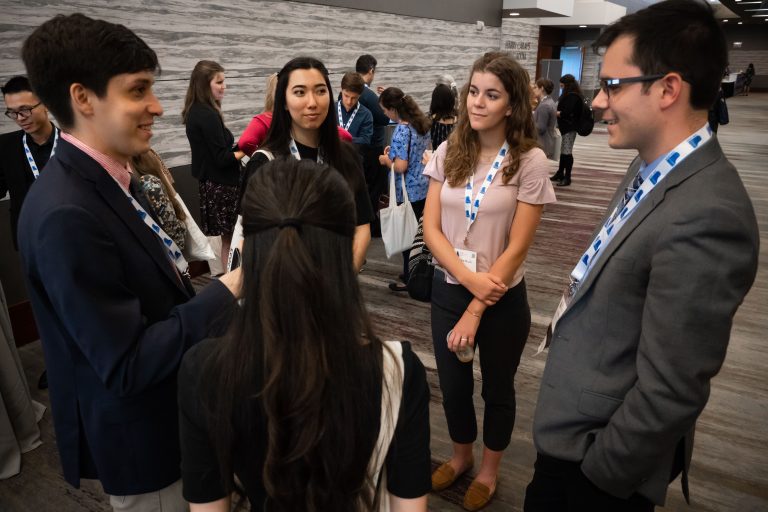
profession has a problem and then set out to fix it. Editor's Note: A good starting point for readers wanting to know more about the research Mr. Bruhn mentioned in his keynote address would be the Meadville Medical Center's Mind-Body Wellness Center website at www.mind-body.org. The research section provides additional information, video clips and important links. Dr. Bittman can be reached via email at doctorb@mind-body.org and Mr. Bruhn can be reached at Bruhnassoc@aol.com. Also, for a comprehensive report on Dr. Bittman's research, see the News section of the Autumn 2005 issue of Keyboard Companion, pp. 60-62. Karl T. Bruhn remains a respected and outspoken advocate for incorporating music-making into health care. With Dr. Barry Bittman, he is working on research projects focused on developing and scientifically testing the bio-psycho-social aspects of recreational music making. He has been president of the American Music Conference, the National Piano Foundation, Piano Manufacturers Association International, and Presidential Advisor to the American Music Therapy Association. Other Conference eventsThe Pre-Conference Seminar on August 3 was extremely well attended and highly praised by registrants. It included a Keynote Address by Nelita True, and featured sessions for independent teachers, collegiate teachers of pedagogy, and for pedagogy students and young professionals. Highlights of the Conference itself were noontime and evening concerts and receptions, daily Mini-Recitals featuring area pre-college students, teaching demonstrations, workshops, Research Poster Presentations, Technology Hubs, exhibits and Publisher Showcases. Believing that a picture is indeed
worth a thousand words, we hope you enjoy the 2005 NCKP via the
Photo Gallery on page 5. The staff photographer for the event
was Carla Dean Day, and we are very appreciative of Carla's willingness
to allow us to reproduce all of these candid shots. About Our Cover Art Photos are taken from A Piano Teacher's Legacy - Selected Writings by Richard Chronister. Used with permission. To see a larger image of our cover art, please visit our Art Gallery.
Rhythm Department
Perspectives in Pedagogy Department
Music Reading Department
Table of Contents fromWinter 2005, Volume 16, Number 4
|
||||||||||||||||||||||||||||||||||||||||||||||||||||||||||||||||||||||||||||||||||||||||||||